Go to navigation
Logo

Food and Foraging


 Foraging and Hunting

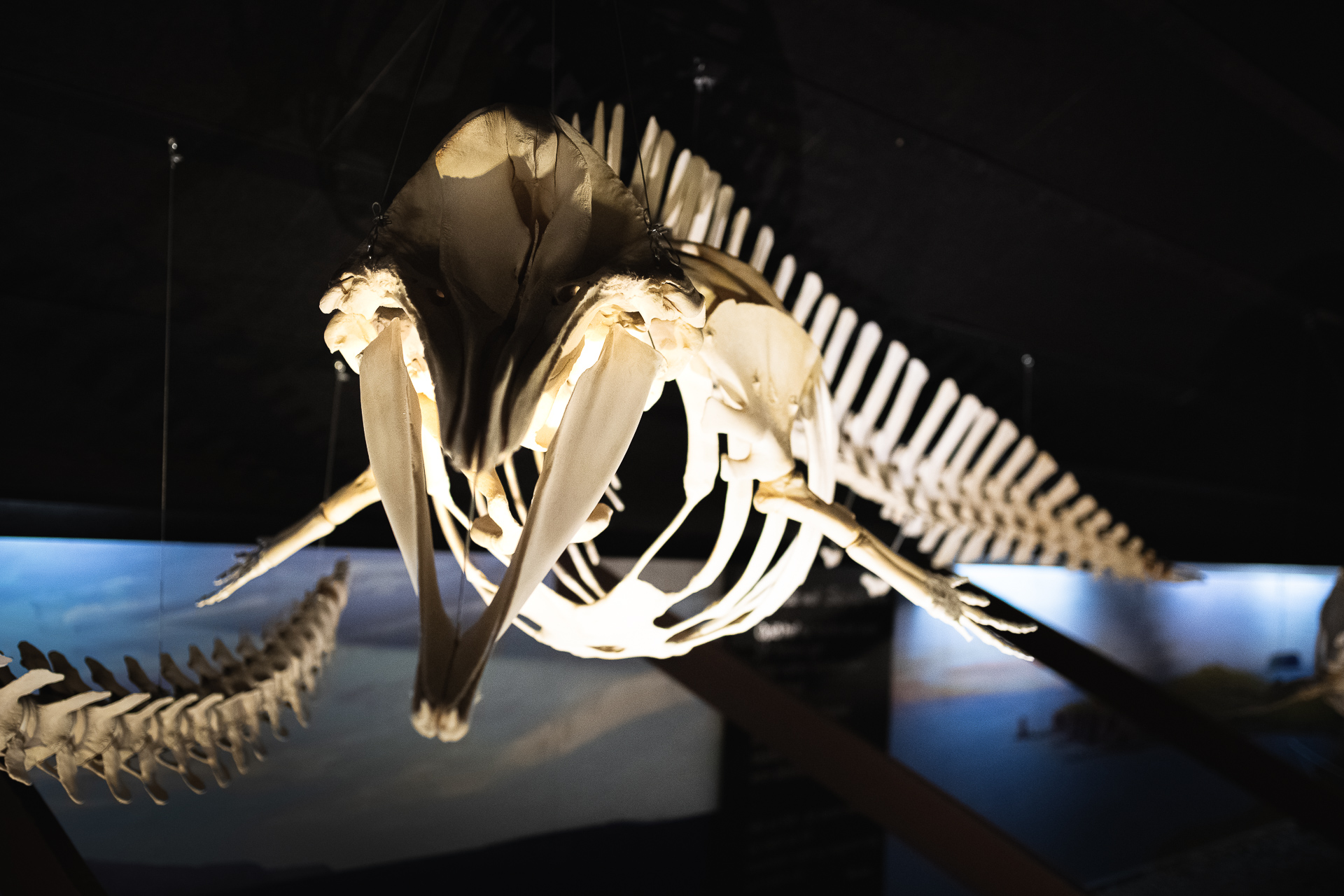
Whales are divided into two suborders, baleen whales and toothed whales. These suborders utilize different food sources and different hunting and feeding techniques.Baleen whales use baleen plates to filter small organisms from the water, and the toothed whale capture individual prey with their teeth. Together they feed on prey species at practically every level in the marine ecosystem. 


Feeding Techniques of Baleen Whales 

Baleen whales feed on the most abundant food in the ocean, zooplankton, krill and small fish. The baleens form an efficient filtration system that separates prey from volumes of water taken. To feed, the whales open their mouth to grasp water and food, and close it partially to force the water through the baleen plates. The trapped food will be scraped off with their tongue and swallowed.   


Feeding Techniques of Toothed Whales 

The prey taken by toothed whales is often related to their body size and amount of teeth. The main diet consists of various fish, such as herring and sandeel, but also squid. The teeth are mostly conically shaped and are used to grasp or tear, but not to chew.

Food, Foraging and Migration 

Toothed whales feed throughout the year and stay in regions where prey is available at all times. For most of the baleen whales, feeding involves seasonal migration and is limited to 3 - 5 months out of the year. During that time, the weight gain averages around 40 % of their body weight, which is stored in the blubber and gradually lost during the rest of the year. Little or no feeding takes place during migration and the 6 - 9 months away from the feeding grounds.


           Migration routes of North Atlantic Humpback whale puplations.


News

24. May 2010

Humpback whale from Skjálfandi Bay photographed off Africa

It is still quite early in the season but the museum’s researchers have already been out on the whale watching boats several times to collect data and take pictures of whales that have been sighted during the trips.

21. December 2009

Ship-building and Whale Watching in the Whale Museum

The Whale Watching room in the Húsavík Whale Museum is now under renovation

13. November 2009

Work in Progress "CARCASSES" The Slaughterhouse Revisited

Sunday November 22nd from 13:00 to 15:00 the public is invited to an open house in the Húsavík Whale Museum.


OPENING HOURS

June, July and August
09:00 - 19:00

May and September
10:00 - 17:00

Other times by arrangement


Hvalasafnið á íslensku

Control panel

Frontpage Decrease text size Increase text size Send page Visually impaired mode Print this page Sitemap